
Homeownership / Colorado insurance
Colorado’s Wildfire Insurance Rules Have Changed. Here’s What That Means for Your Home.
New disclosure requirements, recognition for qualifying mitigation, and a formal way to challenge a wildfire risk assessment.

In this report
If you invest in protecting your home from wildfire, how does that work affect your insurance?
It is a reasonable question, especially before spending money on improvements or deciding whether to purchase a property. Colorado’s new insurance requirements give that conversation more substance. Homeowners gain access to the wildfire assessment behind certain insurance decisions, and qualifying mitigation must be accounted for.
House Bill 25-1182 (opens in a new tab) was signed into law in May 2025, with a statutory effective date of July 1, 2026. The Colorado Division of Insurance announced (opens in a new tab) that the new disclosure notices began rolling out October 1. The change is now reaching homeowners through insurance applications and renewals.
For me, the significance is the connection between what a homeowner can do to reduce risk and how an insurance company evaluates that property.
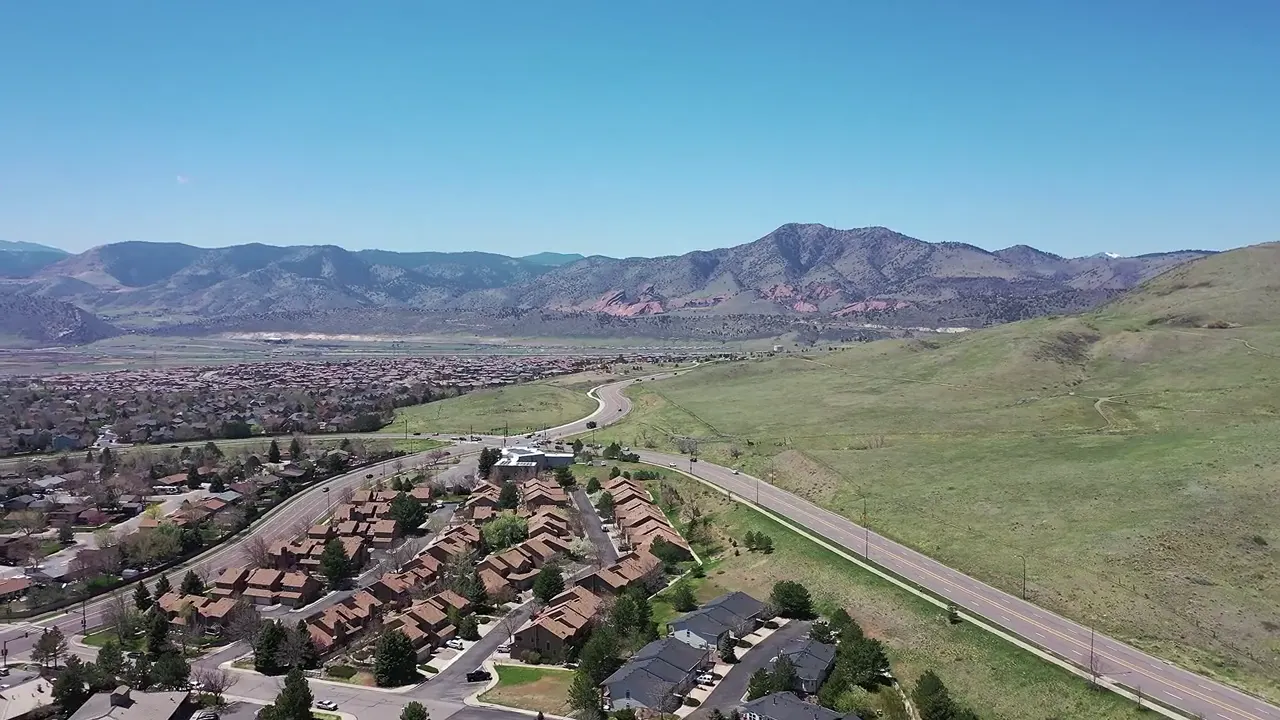
What insurers must now explain
For insurers covered by the requirements, a wildfire risk score must come with an explanation (opens in a new tab): where the property falls within the insurer’s scoring range, which features influenced the assessment, and how mitigation could affect it. Applicants and policyholders also have a right to appeal an inaccurate score, classification, or applicable mitigation discount.
The requirements apply to admitted insurers and the Colorado FAIR Plan (opens in a new tab). They do not apply to surplus-lines insurers, so it matters which type of company is providing the coverage.
That gives homeowners a more specific conversation to have with their insurer: What influenced this assessment? Does it reflect the work already completed? What evidence would support a reconsideration?
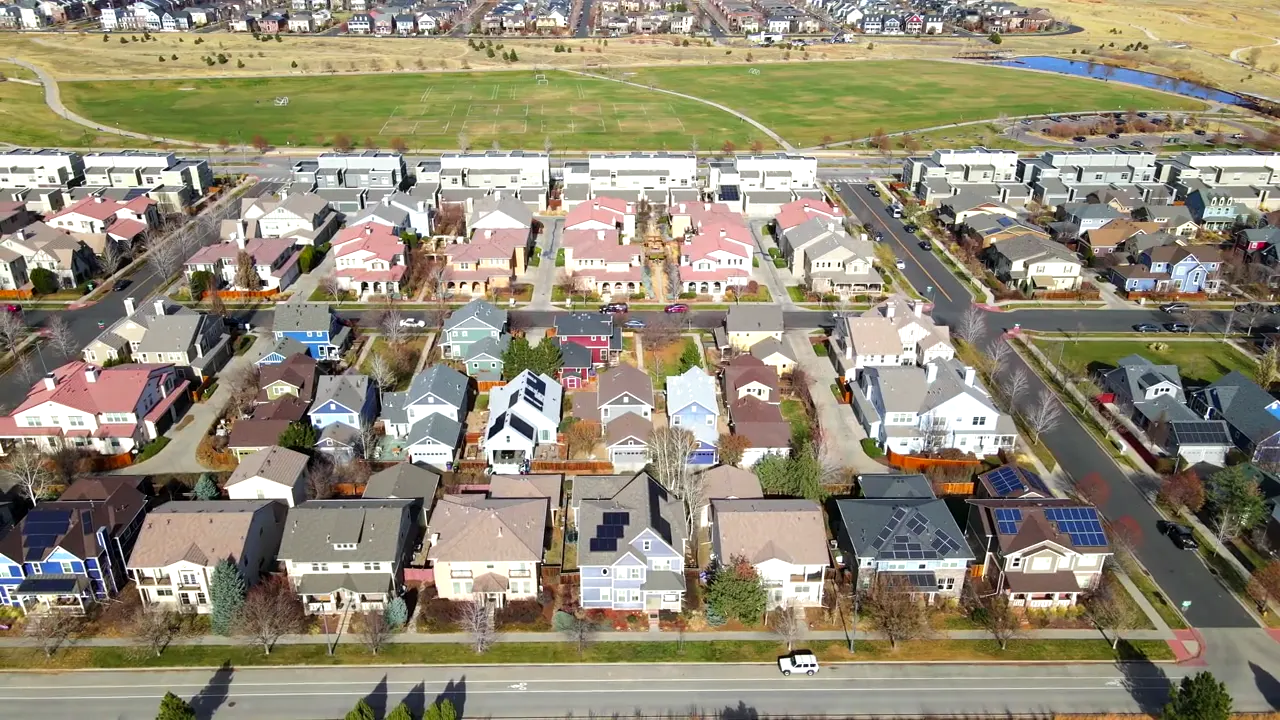
How mitigation must be recognized
Insurers using the relevant models must incorporate qualifying property-level and community-level mitigation into their models or otherwise demonstrate that it is included in underwriting and pricing. If their models do not incorporate those actions, the law requires discounts for demonstrated qualifying mitigation (opens in a new tab).
“Qualifying” matters here. The law refers to science-based mitigation with defined verification or certification standards. Before commissioning work with an insurance benefit in mind, ask the insurer which standards it recognizes and what documentation it requires.
I would want that answer before deciding what to spend. It allows a homeowner to evaluate the project with a clearer understanding of both its protective purpose and its potential insurance benefit.
Recognition also does not guarantee that the total premium will fall or that coverage will be offered. Those outcomes still depend on the insurer’s pricing and eligibility requirements.
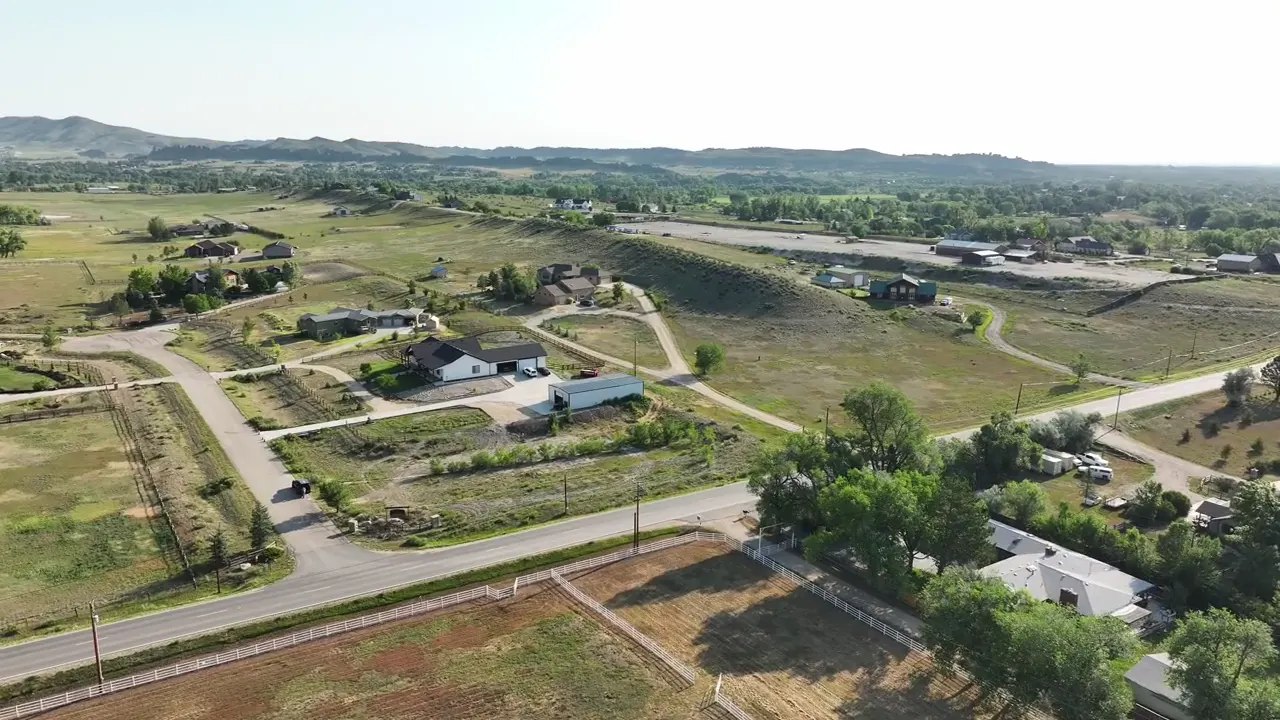
What this means when buying a home
My recommendation is to bring insurance into the purchase decision early enough for the answers to matter.
Request a quote for the specific property. Review the coverage, deductibles, and any conditions. Ask how wildfire risk affects eligibility and pricing, and whether completed or proposed mitigation changes the insurer’s assessment.
The law gives applicants access to the wildfire score within 15 days of a completed application (opens in a new tab). Insurers can use different models and scoring ranges, so one company’s assessment should not be treated as a universal verdict on the property.
For a buyer, that creates an opportunity to investigate more thoroughly. I would still want the actual coverage proposal in hand, with any outstanding requirements understood, before relying on an insurance estimate in the ownership budget.
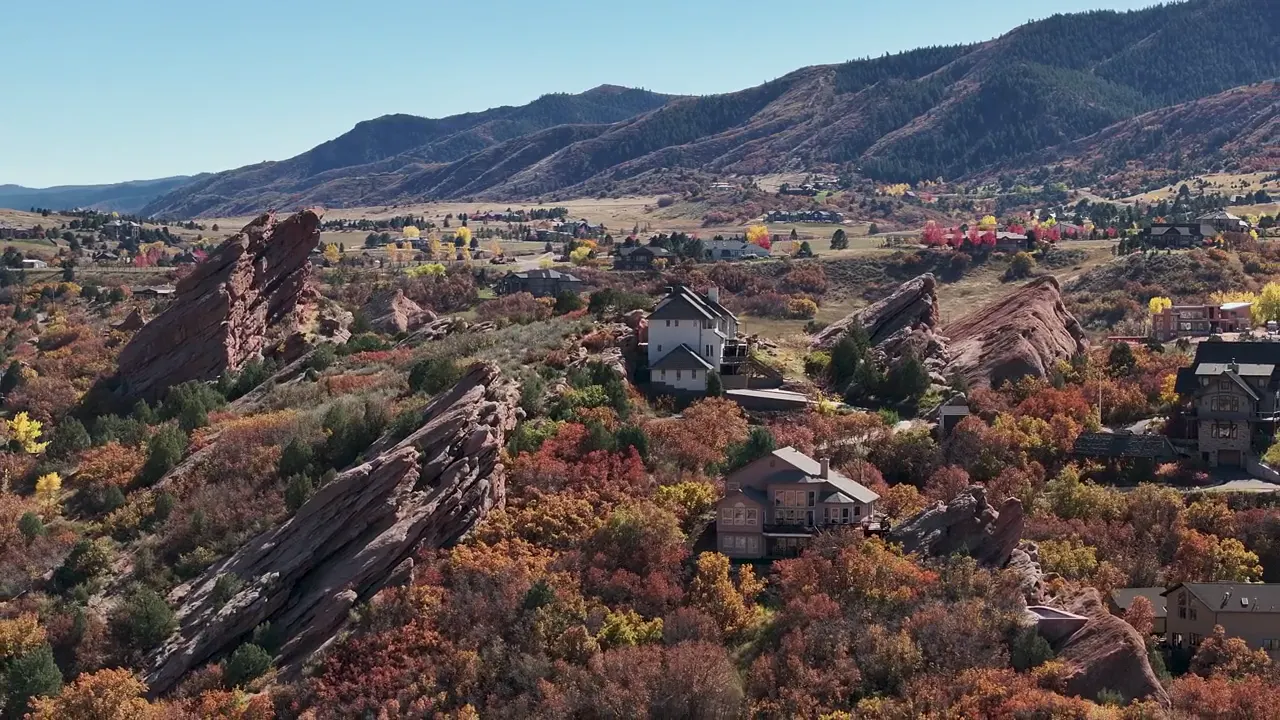
That is where meaningful peace of mind comes from: knowing what coverage is available for the home you are considering, what it costs, and what you may need to do to maintain it.
For an existing homeowner, I would use the next renewal as an opportunity to review the wildfire notice alongside any mitigation records. For someone planning improvements, I would establish the insurer’s requirements before work begins.
The Granger takeaway
The change worth understanding is that qualifying wildfire mitigation must receive consideration, and homeowners have a clearer process for examining and challenging the assessment. That makes the insurance conversation more useful, whether you are protecting a home you already own or deciding which one to buy.
Have you received a wildfire risk notice with your renewal?
I’d be interested to hear whether it answered your questions.