The Granger Report · June 30, 2026

Why some Denver homes sit while others still move.

A question worth asking before the showing, the offer, or the listing.

Jackson Granger · REALTOR®, Coldwell Banker Global Luxury · Denver Metro & Front Range

Week 1 of 4 · What Makes a Home Move Right Now

Denver Market at a Glance · June 2026

37

Median Days on Market

Denver Metro, June 2026

Up from 24 a year ago

9,480

Active Listings

Single family + attached

Up roughly 18% year over year

98.2%

Close-to-List Price

Median for closed sales

Down from 99.6% a year ago

Source: REcolorado MLS / RPR data. Deemed reliable but not guaranteed.

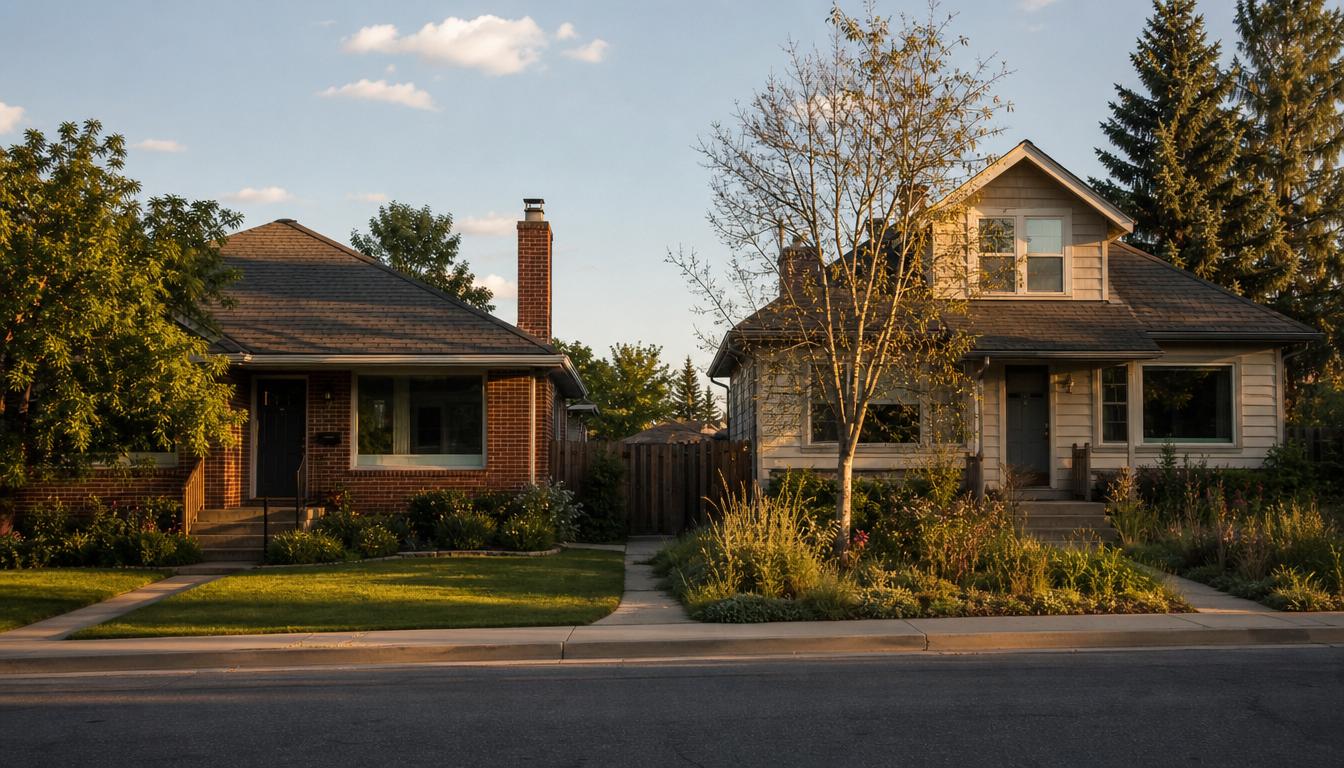
Two neighboring Colorado homes side by side in warm golden hour light, one with a tidy yard and the other with a more natural, lived-in landscape.

The question

The question people are asking.

A question I hear a lot right now across the Denver metro:

How did that house down the street sell in a week while the one around the corner has been sitting for two months?

It is a fair question. And it rarely has a simple answer.

The Denver market this summer is not simply active or slow. It is selective. Some homes are moving with real momentum. Others are sitting well past what used to be a normal timeline. The gap between those two outcomes usually comes down to four things.

The four factors

Price, Preparation, Positioning, Buyer Psychology.

  1. 01

    Price

    Price is still the loudest signal a home sends. A list price that reflects current condition and recent neighborhood activity attracts serious attention quickly. A price built around what the seller hopes to net tends to sit, then chase the market downward in increments.

  2. 02

    Preparation

    Preparation is everything a buyer evaluates before they ever schedule a showing, and everything they walk into when they arrive. Photos, the listing description, the front yard, deferred maintenance, aging systems. Preparation does not make a home perfect. It removes the unnecessary reasons for a buyer to pause.

  3. 03

    Positioning

    Positioning is how a home is framed against the rest of the market. Which buyer is it for, what tradeoffs does it actually solve, and how does it compare to the other listings a buyer is touring the same weekend. Strong positioning makes a home feel obvious. Weak positioning leaves it lost in the scroll.

  4. 04

    Buyer Psychology

    This is the one that gets talked about least, and it may be the most important right now.

Inside the buyer's head

What buyers are actually asking.

Buyers right now are not only asking, "can I afford this?" They are also asking:

  • Does this feel worth it at this price?
  • What will I have to fix after I move in?
  • Is the seller being realistic?
  • Will this appraise if I write an offer?
  • Am I walking into a project I did not plan for?
  • Is there a better home coming on the market next week?

When those questions stack up without clear answers, buyers hesitate. And hesitation is what turns a showing into a pass.

For sellers

What this means for sellers right now.

The goal before listing is not to make the home perfect.

The goal is to remove the unnecessary reasons for a buyer to pause.

That is a smaller, more achievable objective, and it focuses preparation in the right places. A pre-listing consultation is one of the most useful conversations a seller can have, not because it guarantees a sale, but because it surfaces the questions buyers will ask before they ask them.

For buyers

What this means for buyers.

A home sitting on the market is not automatically a red flag. Sometimes it is overpriced. Sometimes it was presented poorly and the photos turned people away. Sometimes the seller is becoming more realistic as time passes.

Days on market are a clue. The better question is: why is this home getting the reaction it is getting?

Across the Front Range, the most common answer is that a listing is priced against last year's comps rather than today's showing traffic. A buyer who understands that difference can read a sitting listing much more clearly.

A tale of two listings

Two similar homes. Two very different outcomes.

Well positioned

Pending in nine days.

A three bedroom in a popular Front Range pocket. Priced about 1.5% below the most recent comp. Pre-listing punch list completed. Photos shot on a clear morning. The listing answered the most predictable buyer questions before they were asked.

Sitting

Sixty-one days, two price cuts.

A similar floor plan two miles away. Listed about 4% above the same comp. Original photos were dim and a visible roof patch was never addressed. By the time the price reset, the early-attention window had already closed and buyers were treating the listing with caution.

Anonymized composites drawn from recent Denver metro activity. Details adjusted to protect client privacy.

The takeaway

The takeaway.

Days on market do not tell the whole story.

The more useful question is: "Why is this home getting the reaction it is getting?"

That question turns market noise into actual strategy, whether you are buying, selling, or just trying to understand what is happening around you.

Keep reading

Related reports and references.

Or reply directly with your zip code and target price range. I will send back what I am seeing on the ground for that pocket. You can also email jackson@thegrangerreport.com.

Common seller questions

Questions sellers are asking this summer.

How long should a Denver home take to sell right now?

It varies by price band and neighborhood, but median days on market across the metro is in the mid-thirties this June, roughly fifty percent longer than the same week a year ago. Well-prepared, accurately priced homes are still moving in the first one to two weekends. Homes that miss on price or preparation can sit six to ten weeks before the seller adjusts.

Does a price cut reset days on market?

No. The cumulative days on market figure that agents and buyers actually read does not reset with a price reduction. The better strategy is to price the home correctly the first time so the early-attention window works in your favor, rather than relying on a cut to recover it later.

Is it better to relist or keep pushing?

Relisting can refresh visibility on some search portals, but experienced buyers and agents see through it. If a home has stalled, the more honest fix is usually some combination of a price correction, better photography, and addressing the one or two condition items buyers keep flagging.

How much does staging actually matter in this market?

Staging matters most for vacant homes and for properties where the floor plan is hard to read in photos. In a selective market, the cost of staging is usually a fraction of the first price reduction a seller would otherwise face.

What is different for homes above one million dollars?

Luxury buyers expect longer marketing arcs, higher production value in photography and video, and more nuanced pricing relative to a smaller comp set. Appraisals are also more variable at this price point, which makes preparation and positioning carry more weight than they do in the broader market.

Should I wait until spring to list?

Maybe, but the question is more specific than seasonality. The right answer depends on your home, your competition in that pocket, and what you need the sale to accomplish. A pricing review is the most useful place to start.

Share this report
← Back to all reports